In the ever-evolving landscape of agriculture, the dairy industry continues to adapt and innovate. As we navigate through 2024, several key trends are emerging that are set to reshape the future of dairy production. Let’s explore these developments and their potential impact on farmers, consumers, and the industry as a whole.
1. Precision Dairy Farming
The integration of technology in dairy farming is revolutionising the way we manage herds and optimise production. Advanced sensors, IoT devices, and data analytics are enabling farmers to monitor individual cow health, milk quality, and production efficiency in real-time. This precision approach not only improves animal welfare but also significantly boosts productivity and reduces waste.
2. Sustainable Practices
Sustainability is no longer just a buzzword but a necessity in modern dairy production. Farmers are increasingly adopting eco-friendly practices such as:
– Implementing renewable energy sources like solar panels and biodigesters
– Improving water management and recycling systems
– Focusing on regenerative agriculture to enhance soil health
These initiatives not only reduce the environmental footprint of dairy farms but also often lead to cost savings in the long run.
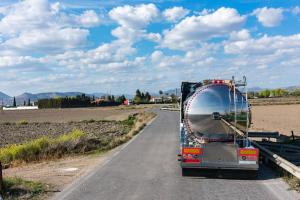
3. Optimised Farm-to-Plant Milk Transport
Efficient transportation of milk from farms to processing plants is becoming a critical focus in the dairy industry. This trend is driven by several factors:
– Rising fuel costs and environmental concerns
– The need to maintain milk quality during transport
– Increasing demand for just-in-time delivery
Advanced logistics solutions, like those offered by OptaHaul, are revolutionising this aspect of dairy production. These systems use sophisticated algorithms to optimise route planning, reduce mileage, and ensure timely pickups and deliveries. The benefits include:
– Reduced transportation costs
– Lower carbon emissions
– Improved milk quality due to shorter transit times
– Enhanced efficiency in processing plant operations
As the dairy industry continues to evolve, optimised transport will play a crucial role in maintaining competitiveness and sustainability.
4. The Complex Landscape of Plant-Based Alternatives
While traditional dairy remains the cornerstone of the industry, the emergence of plant-based alternatives has sparked significant discussion and research. This trend is characterised by:
– Increasing consumer interest in non-dairy options
– Expansion of plant-based products in the market
– Ongoing debate about the role of these alternatives in a balanced diet
However, important questions are emerging about plant-based alternatives:
– Nutritional Profile: Concerns are being raised about whether these products can match the comprehensive nutritional benefits of dairy, particularly in terms of protein quality, vitamin B12, and calcium bioavailability.
– Environmental Impact: While often marketed as eco-friendly, the emissions profile of plant-based alternatives is coming under scrutiny. Some studies suggest that certain plant-based production methods may not offer significant environmental advantages over efficient dairy farming practices.
– Processing and Additives: Many plant-based products require extensive processing and additives to mimic the taste and texture of dairy, raising questions about their status as “natural” alternatives.
As the debate continues, some dairy producers are exploring ways to incorporate plant-based lines alongside their traditional dairy offerings, aiming to cater to diverse consumer preferences while emphasizing the unique nutritional benefits of dairy products.
5. Dairy’s Resurgence as a Health Food
A significant shift in nutritional science and consumer perception is repositioning dairy as a health food. This trend is characterised by:
– Evolving Understanding of Fats: Consumers are realising that high-fat foods, including full-fat dairy products, don’t necessarily contribute to weight gain. In fact, some studies suggest that full-fat dairy may be associated with a lower risk of obesity.
– Nutrient Density: Dairy is being recognised for its impressive nutrient profile, providing high-quality protein, calcium, vitamins (especially B12 and D), and essential minerals in a readily absorbable form.
– Gut Health Benefits: The potential probiotic benefits of fermented dairy products like yogurt and kefir are gaining attention for their positive impact on gut health and the immune system.
– Athletic Performance: Many athletes and fitness enthusiasts are embracing dairy, especially milk and Greek yogurt, as excellent sources of protein for muscle recovery and building.
– Satiety and Weight Management: The protein and fat content in dairy products is being appreciated for promoting feelings of fullness, potentially aiding in weight management.
This trend is encouraging dairy producers to:
– Highlight the nutritional benefits of their products in marketing efforts
– Develop and promote full-fat dairy options
– Invest in research to further understand and demonstrate the health benefits of dairy consumption
As consumers become more informed about nutrition, dairy’s reputation as a wholesome, nutrient-rich food continues to grow, presenting new opportunities for the industry.
6. Focus on Animal Welfare
Consumers are increasingly concerned about the ethical treatment of animals. As a result, there’s a growing emphasis on animal welfare in dairy production. This includes:
– Improved housing conditions
– Stress reduction techniques
– Enhanced veterinary care and preventive health measures
Farms that prioritise animal welfare often see benefits in both production quality and consumer trust.
7. Automated Milking Systems
Robotic milking systems are becoming more prevalent, offering benefits such as:
– Increased milking frequency
– Reduced labor costs
– Improved cow comfort and health
While the initial investment can be significant, many farmers find that automation leads to long-term efficiency gains and better work-life balance.
Conclusion
The dairy industry is at an exciting crossroads of tradition and innovation. By embracing these trends, dairy producers can enhance efficiency, sustainability, and profitability while meeting the evolving demands of consumers. At OptaHaul, we’re committed to supporting the dairy industry in navigating these changes, particularly through optimising transportation and logistics in the dairy supply chain.
As we move forward, it’s clear that the future of dairy production lies in smart, sustainable, and ethical practices. From precision farming to optimised transport, each aspect of the production process is being refined for maximum efficiency and quality. The industry continues to affirm its vital role in nutrition and agriculture, adapting to changing market dynamics while also benefiting from evolving nutritional understanding that highlights dairy’s health benefits.
By staying informed, adaptable, and focused on producing high-quality, nutritious products, dairy farmers can ensure their businesses thrive in this dynamic landscape.