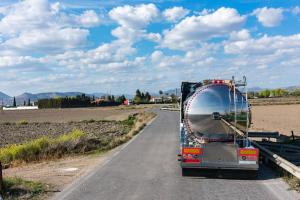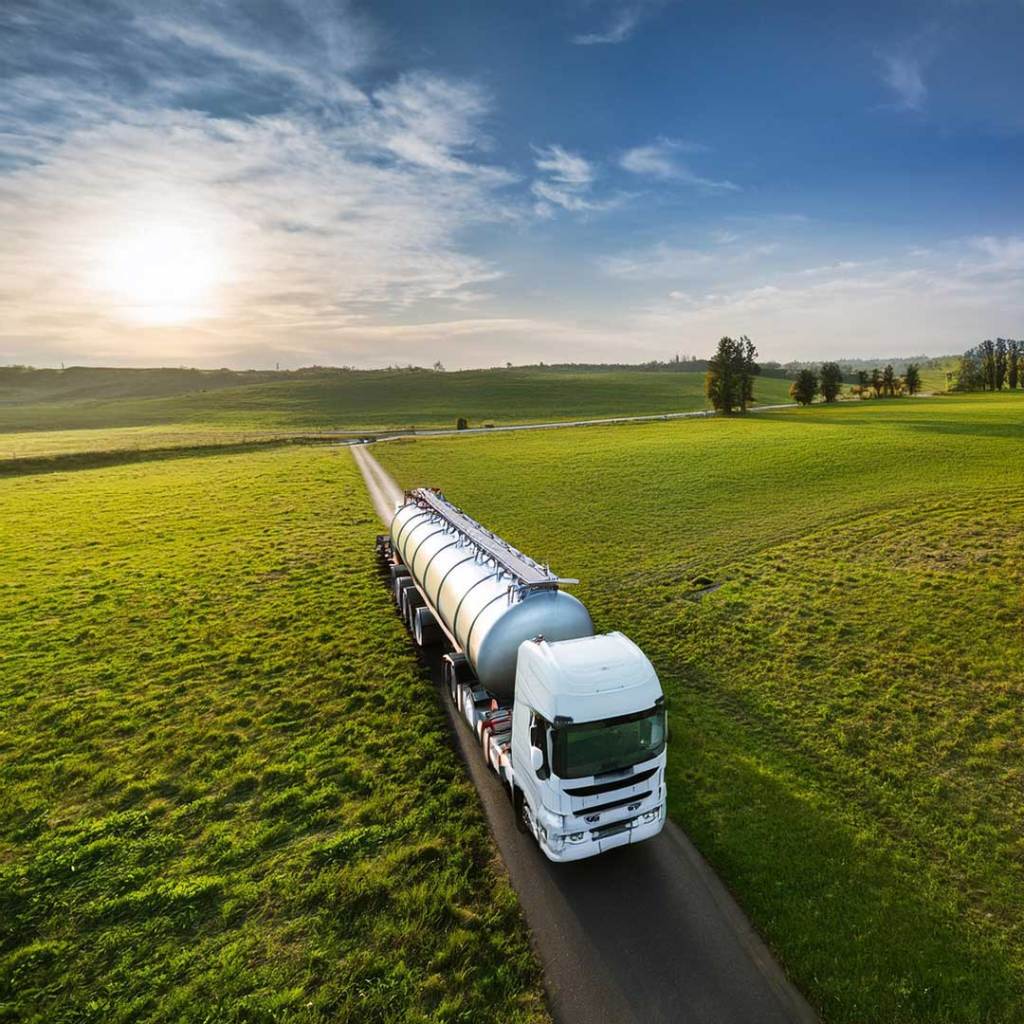
The global dairy industry is a cornerstone of agricultural economies, feeding millions worldwide and providing employment to many in rural environments. Yet as environmental concerns become more increasingly urgent, the industry faces a crucial challenge, balancing its essential role with sustainability goals. Transport plays a pivotal role in shaping a greener future for the dairy industry, offering opportunities to reduce emissions, improve efficiencies and drive innovation across the supply chain.
Dairy transport involves a complex network of processes, including milk collection, transporting to processing plants and distribution to markets. Each step has environmental implications with transport accounting for a significant portion of carbon emissions due to its reliance on fossil fuels. Inefficient supply chain routes and under utilised vehicles also contribute to the environmental burden. Addressing these challenges requires a focused approach to improving transport efficiency and sustainability
Innovations Driving Sustainable Dairy Transport
Route Optimisation
Advanced route optimisation technologies can significantly reduce fuel consumption and emissions. By using advanced algorithms and GPS monitoring systems, logistic providers can plan shorter more efficient routes
Collaboration and Consolidation
Collaborative logistics by means of sharing transportation resources among multiple stakeholders can help optimise resource utilisation, reducing empty runs in return for reducing emissions. Dairy co-operatives and supply chain partners can work together to implement such strategies.
Data driven decision making
Real time data monitoring can help identify inefficiencies in transport operations, allowing for proactive interventions for e.g. IoT sensors and milk metering systems which can track temperature, fuel consumption, milk collection litres and delivery times ensuring both quality and sustainability.
Electrification of Fleets
The shift towards electric vehicles in dairy transport is gaining momentum. Electric vehicles offer a clean energy alternative to traditional diesel trucks, reducing emissions significantly, paired with renewable energy sources, this transition can further reduce the environmental impact of dairy logistics.
ESG In Dairy Logistics
Environmental, Social, Governance (ESG) criteria are reshaping the way dairy transport businesses operate. Consumers, investors and regulators demand transparency and measurable progress towards sustainability goals. Dairy companies that prioritise ESG by reducing emissions, investing in innovative transport solutions and ensuring ethical practises are better positioned for long term success.
A call to action for the Dairy industry
Creating a greener future in dairy transport requires a collective effort. Stakeholders across the industry must embrace innovation, invest in sustainable technologies and collaborate to achieve shared goals. Governments and regulatory bodies also play a crucial role offering incentives for green initiatives and enforcing stricter environmental standards. The path to a sustainable future is clear, Innovate, optimise and collaborate. By prioritising environmental stewardship, the industry can reduce its carbon footprint while maintaining the quality and reliability that consumers depend on. The transition to a sustainable future is not merely aspiration, but an imperative for the continued viability of the industry. Together, we can ensure the dairy industry continues to thrive while also safeguarding the environment for generations to come.
Get in touch with us today to learn more about how we can help you achieve your sustainability goals